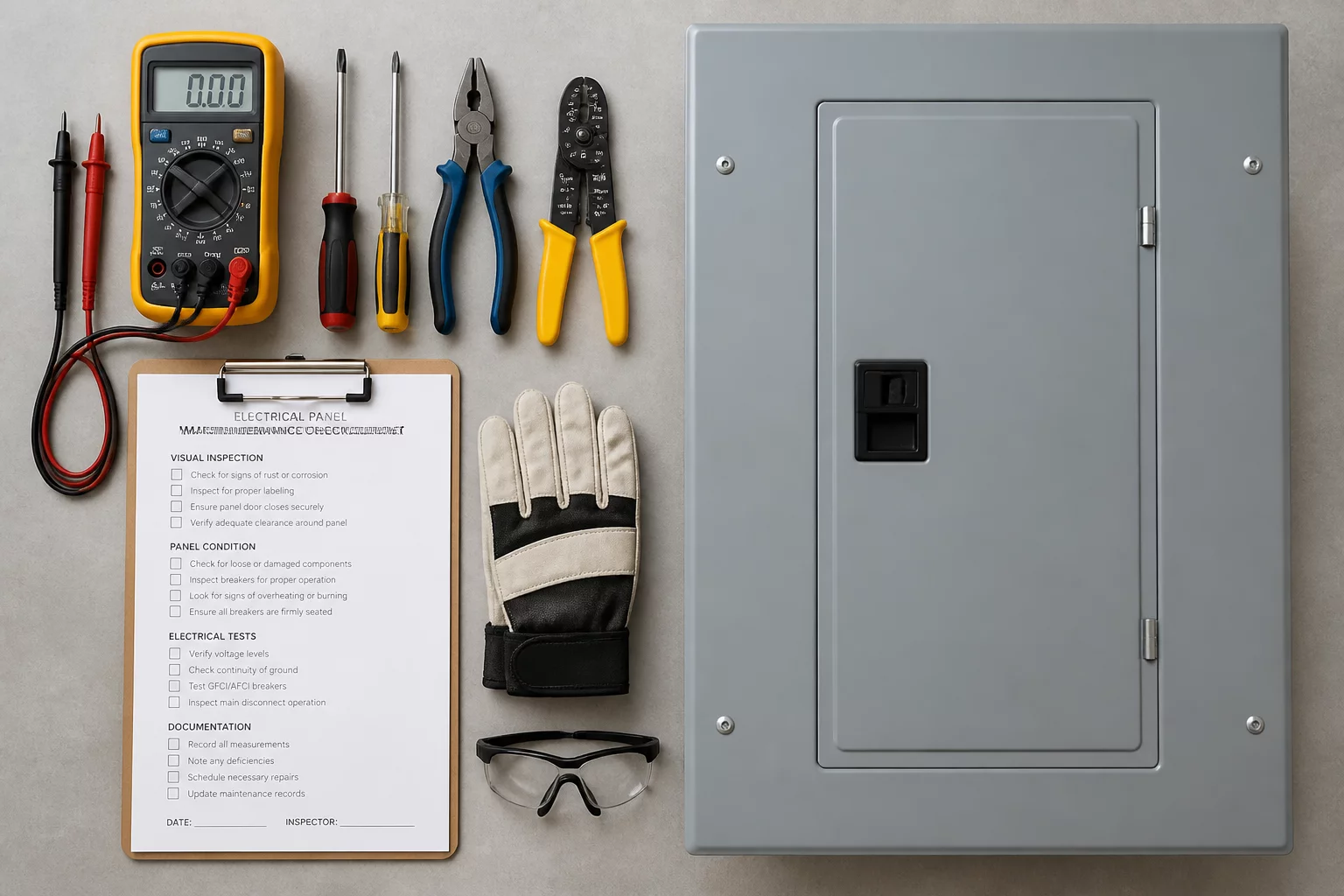
Surge protective devices, automatic voltage regulators, and digital monitoring relays safeguard expensive residential electronics from unpredictable grid transients. Even top-tier equipment experiences thermal stress, metal oxide varistor degradation, and mechanical contact wear over months of continuous operation. Implementing a disciplined maintenance routine ensures your protective hardware responds instantaneously when high-voltage transients strike.
Executive Summary & Key Takeaways
- Inspect MOV status indicators quarterly to verify ongoing surge suppression capacity.
- Check relay terminal torques semi-annually to prevent overheating from micro-vibrations.
- Calibrate voltage stabilizer trip windows and clean cooling channels to avoid thermal shutdowns.
Essential Diagnostic Steps for Whole-Home Panels
Modern whole-house surge arresters rely on sacrificial metal oxide varistors designed to absorb transient spikes. Each clamp event slowly erodes the internal semiconductor matrix. Visual inspection represents the first line of defense: green LEDs indicate active protection, while amber or red indicators signal that internal cartridges have exhausted their energy dissipation limits and require swift cartridge replacement.
Routine thermal imaging of your electrical distribution board reveals hidden hotspots before component failure happens. High resistance caused by loose screw terminals or micro-corrosion generates localized heat, which accelerates insulation breakdown. Tighten all breaker and relay terminals using an insulated torque screwdriver matched to manufacturer specifications.
A surge protector with exhausted varistors is nothing more than an expensive junction box. Regular diagnostic audits ensure the barrier between grid surges and home appliances remains impenetrable.
— Michael Brown, Senior Power Systems SpecialistServicing Voltage Stabilizers & Digital Cut-Off Relays
Electromechanical and electronic voltage regulators experience distinct wear patterns. Servo-driven units have rotating carbon brushes and toroidal transformers that gather ambient dust, while solid-state relay units depend on efficient heatsinks and cooling fans to dissipate operational heat.
- Toroidal Surface & Brush Inspection: Clean dust accumulations from stabilizer copper windings with dry compressed air and replace worn carbon brushes if thickness falls below 4 mm.
- Relay Calibration & Cut-Off Timing: Test smart voltage relay threshold cut-offs using a variable AC bench supply to ensure trip latency stays under 0.05 seconds during high-voltage spikes.
- Ground Loop Resistance Auditing: Measure Earth grounding resistance annually with a dedicated tester, keeping grounding path values strictly below 5 ohms for lightning dissipation.
Documenting maintenance events inside an equipment logbook creates an accountable service history. When line voltages consistently fluctuate beyond standard regulatory limits, schedule an onsite electrical audit to determine whether utility feed issues or internal harmonic loads are accelerating component wear.
Engineering Feedback & Discussion
Verified insights and electrical safety inquiries from professionals.
No comments yet. Be the first to share your experience or ask an engineering question below.
Submit Technical Comment
Share your voltage stabilization experience or ask grid protection questions.